Breaking the stigma during Mental Health Awareness Month
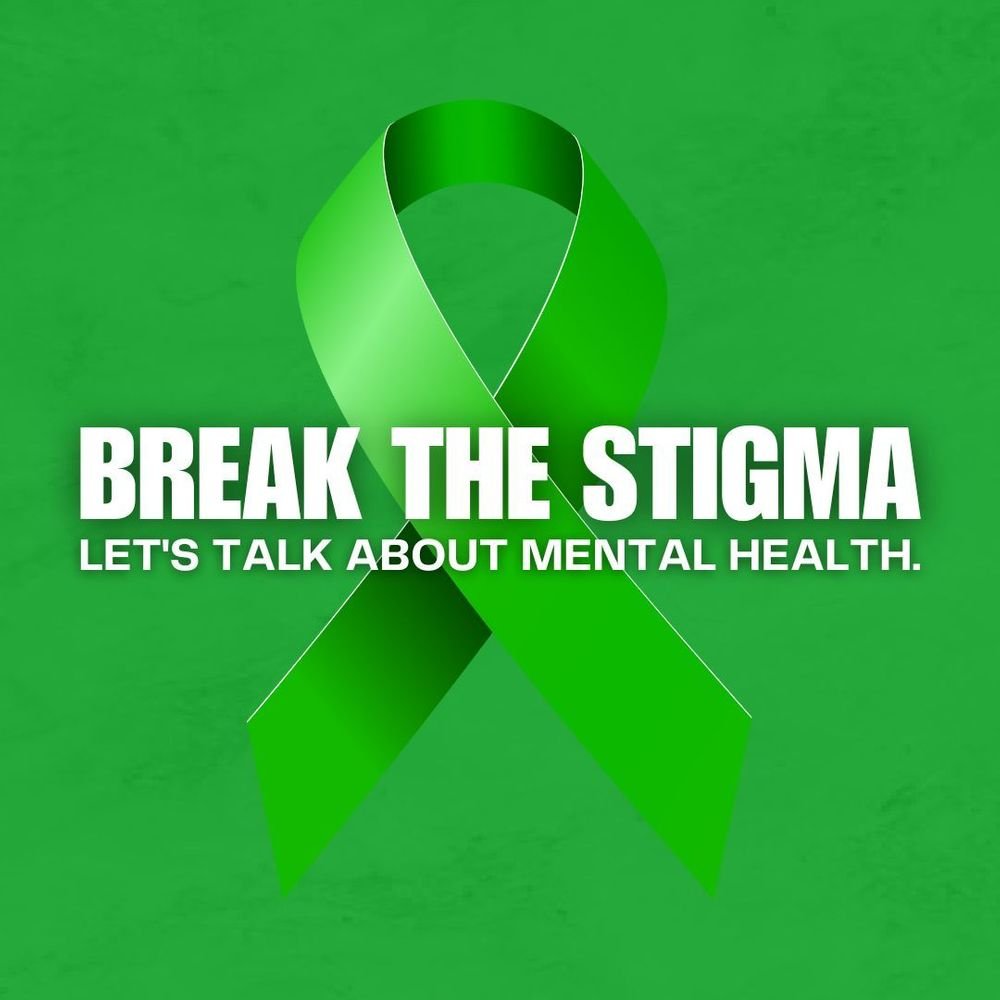
May is Mental Health Awareness Month. This month, we need to begin shifting our narrative and stop dehumanizing our friends and neighbors who struggle with their mental health. As a matter of fact, it is way past time to realize that continuing to blame individuals for their poor mental health is having a huge impact on our children. According to the Illinois Youth Survey, one-third of our McLean County youth between 8th and 12th grade have felt so sad or hopeless almost every day for two weeks or more in a row that they stopped doing their regular activities. One third! Not only has their mental health impacted their daily lives, it has also caused 10-13 percent of our teens to seriously consider attempting suicide. Sadly, this isn’t just last year. This has been going on for over five years. I don’t know about you, but I don’t want to live in any community that doesn’t prioritize the mental health and well-being of our friends and neighbors, and especially our children.
Before we start pointing fingers, we need to stop and ask ourselves, what role have I played in this? What have I done to impact the mental health of those in my community? Do my actions and beliefs stigmatize individuals with mental health concerns? Mental health stigma is a major barrier that prevents individuals from seeking help, receiving proper treatment, and leading fulfilling lives.
Destigmatizing mental health concerns is crucial for creating a more inclusive and supportive community. Working to positively impact the mental health of our community instills hope in our young people and helps them to feel supported and cared for. Some ways to break the stigma are:
1. Educate yourself and others about mental health. Accurate information helps to dispel myths and encourages open conversations. These open conversations help to normalize mental health struggles and help us to understand that mental illnesses are medical conditions, not personal failures. Our community offers free educational programs like Mental Health First Aid (for adults and youth) and Question, Persuade, Refer (a suicide prevention program) on a regular basis.
2. Use respectful, person-first language. Avoid negative terms like “crazy” or “insane” that reinforce negative stereotypes, and use language that helps us see the person first. We are not our illnesses, we are people with illnesses. I am a person with depression and anxiety. If I describe myself as depressed or anxious, it takes away my power to impact and improve my mental health. I am so much more than my illness.
3. Encourage help-seeking behavior. Normalize therapy and psychiatric care as part of overall health, as it truly is. We can also support policies to ensure that mental health care is accessible for those who need it. And for those of us who have mental health concerns, we can share our personal stories of recovery and resilience. It helps to know that obtaining treatment can help us to live happy, healthy lives.
4. Challenge harmful stereotypes and call out misinformation. When I was younger, I wouldn’t speak up and correct people who were making fun of or talking badly about people with mental health concerns because of my own fear of being stigmatized. Now I realize that oftentimes it takes feedback from those around us to push us to change.
Breaking stigma takes collective effort, but every conversation and action helps move our community toward greater understanding and compassion. Together, we can create neighborhoods where we all, especially our youth, know we don’t have to struggle alone.